
Read this before you build another AI wrapper
Ollie.ai raised $7.5M and shut down two months later. Only 2.9% of US consumers pay for AI. Here is what AI app builders can do instead.

Key takeaway (TL;DR):
Ollie.ai, a household AI assistant, shut down on November 6, 2026, about two months after announcing a $7.5 million seed round. Few consumers pay for AI (an NBER working paper puts it at 2.9% of US consumers), and free, venture-subsidized assistants make the paying pool harder to win. If you are building an AI product:
- Go vertical. Solve one specific problem for one specific customer better than any general assistant can.
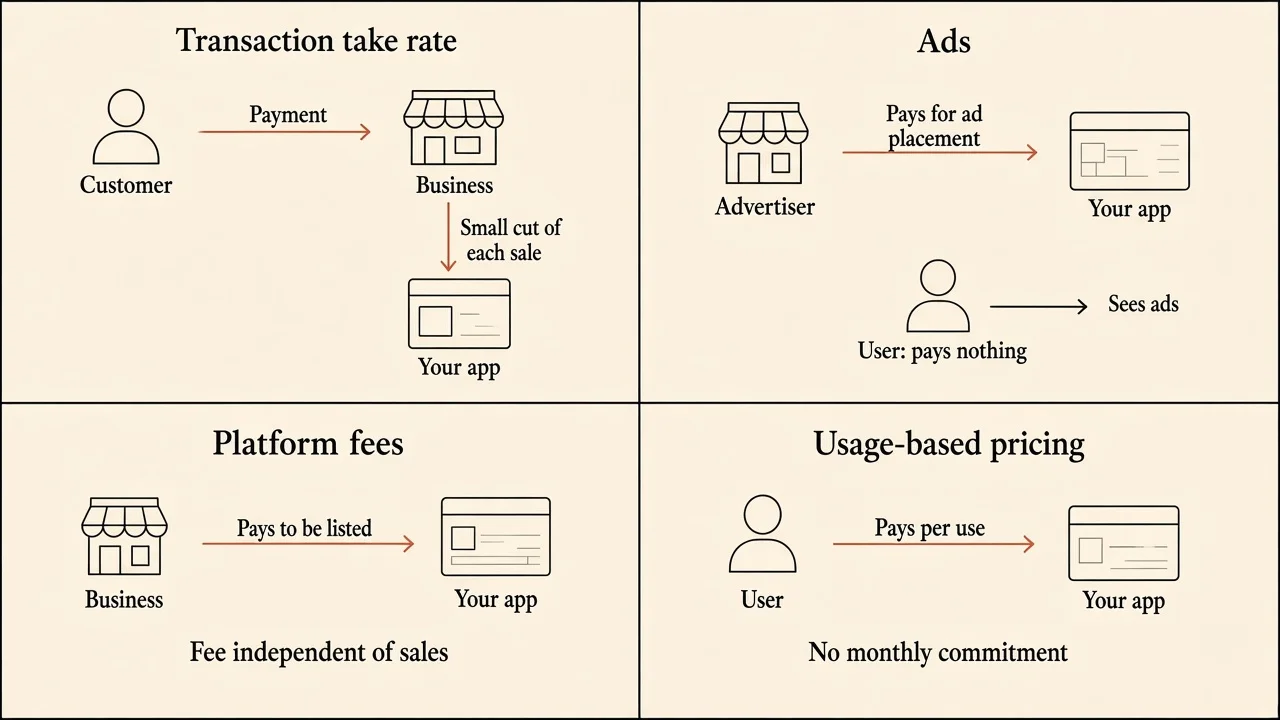
- Look beyond the monthly subscription. Take rates, ads, platform fees and usage-based pricing are all options.
- Earn the slot. A subscription works only when your product solves a recurring problem well enough to deserve a place in the user's monthly budget.
This company announced that they raised $7.5 million just two months ago. Today they are no more.
Ollie.ai was an AI assistant for running a household. Families used it to handle everyday admin. That usually means juggling several apps, like keeping track of family schedules, planning meals, making sure your kids did their homework, booking doctor appointments, and paying bills.
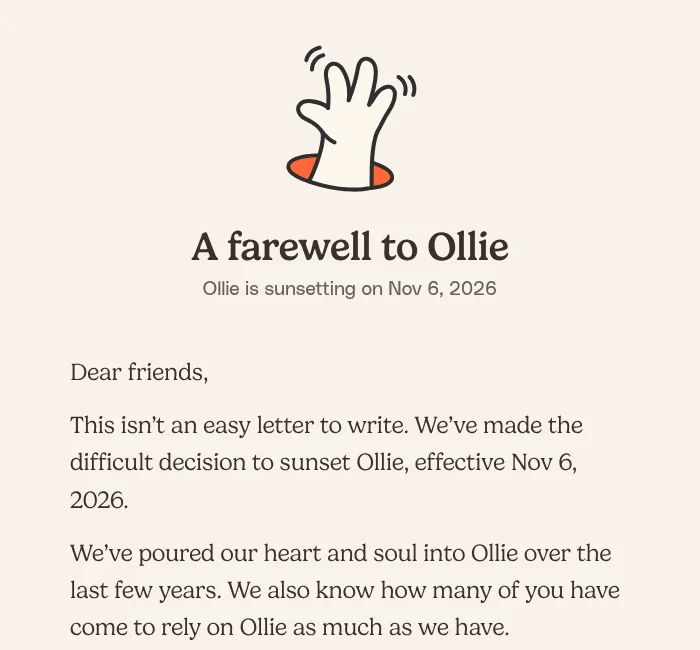
People would use it just through iMessage or you could add it to your family group chat. Anyone in the group chat could ask Ollie to plan dinner or book something and it went to everyone's calendars correctly.
Ollie shut down on November 6, 2026. Coverage of the shutdown points to competition from Muse, Instinct and others, which made differentiation, growth and fundraising harder.
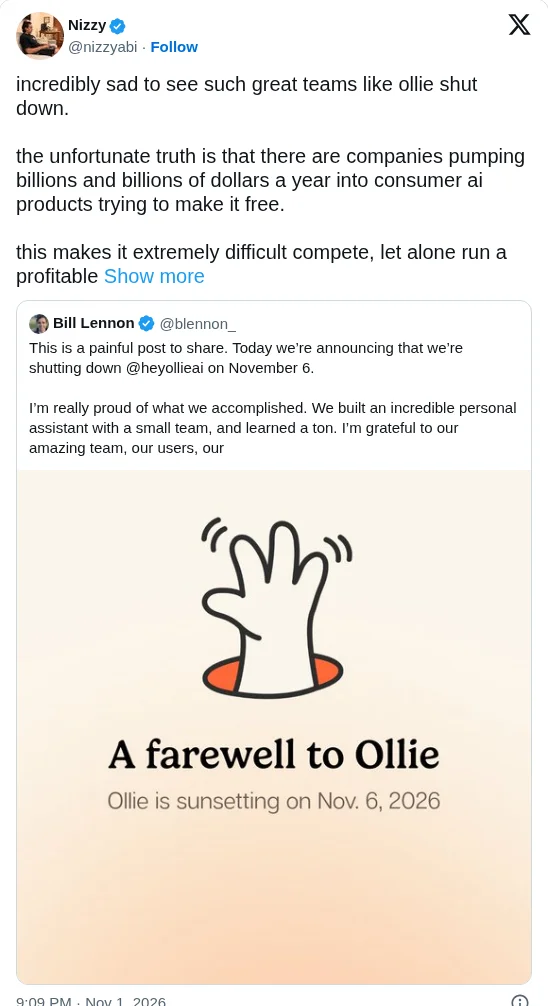
This illustrates a larger point: it is becoming increasingly difficult to compete against heavily funded free consumer AI products.
Why is the $20-$30 AI subscription slot so hard to win?
Much like how hard it is to compete for usable app real estate on our smartphones, it is now becoming increasingly hard to compete for the $20-$30 slot in your user's monthly budget.
A recent NBER working paper, Competition in Generative AI: Evidence from Consumer Demand, found something striking: only 2.9% of US consumers pay for an AI subscription (as of April 2026).
This sneaky little insight means we can group our users into three categories:
- Power users who use AI for daily work and probably work in AI.
- Non-technical optimists who use AI as a way to get their work done better.
- Average consumers who use AI as a Q&A system or, if they want to, as a Google search replacement.
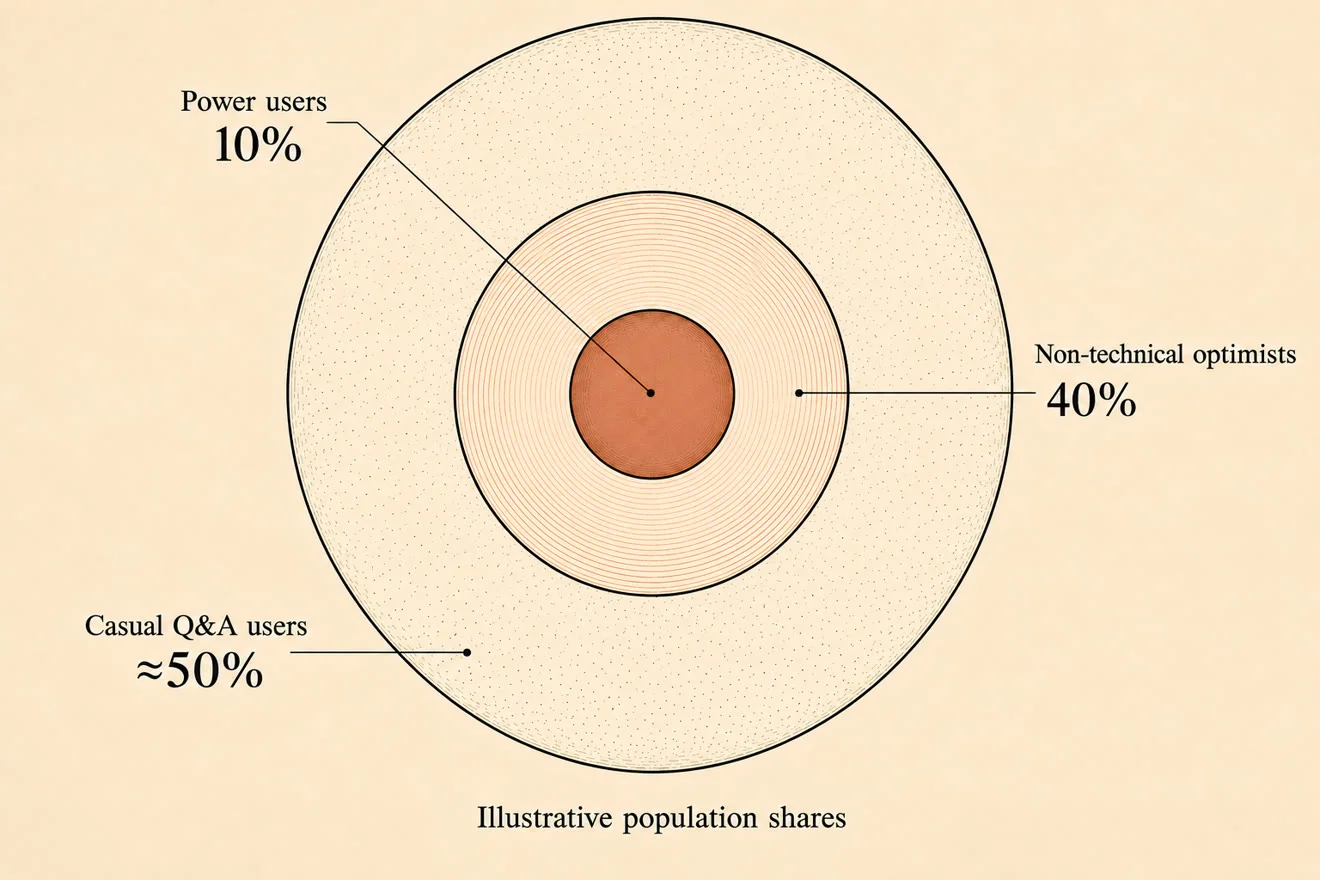
All of this to say that the paying pool is really small. The average consumer only cares about having an AI assistant (not an agent) which can pull things up when they need it and can answer any question that they might have.
Why do consumers treat AI assistants as interchangeable?
The average consumer only knows about the major players: ChatGPT, Claude, and Gemini too for that matter. Most of them see AI assistants as interchangeable because they don't care whether Claude is better at tool calling than the GPT models, or whether Gemini Flash beats the competition on cost. All they need is an AI assistant that answers their questions.
And that's not all. You also have a slew of free AI assistants subsidized by big VC money, like Instinct.
Instinct is interesting because it does not charge its users anything, and according to recent interviews it does not intend to. It is raising more money to subsidize the product further.
How does a free AI assistant like Instinct make money?
Instinct will make money through a transaction take rate that the seller pays. According to its CEO, Noah Shinn, over $1 billion (annualized) worth of transactions go through Instinct today. That includes booking flights, booking hotels, and even buying things from online e-commerce stores.
I say "will" because Instinct hasn't started charging the seller side just yet.
Can a small AI product still compete? Go vertical
This is not to say that no product could compete with the big labs or VC-funded options.
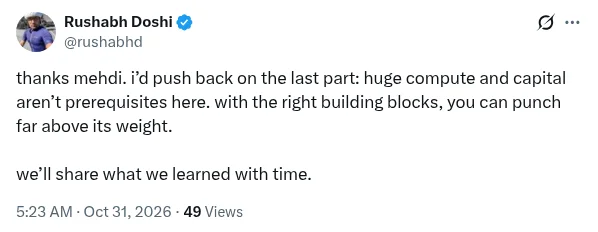
You need to get creative. You need to go more vertical. Make sure that none of these apps can serve your ideal customer profile (ICP) as well as you can.
You'll have to solve a problem so specific, and showcase it just the right way, that people get what you're trying to solve and choose you over any of these other apps immediately. Or maybe you become an additional slot that they make peace with paying for.
It is tough, but it's definitely doable.
Are subscriptions still viable for AI products?
This doesn't mean subscriptions are bad. Subscriptions can work when the product solves a recurring problem well enough. And there are other ways to collect payment for the value you provide that don't involve a monthly sub:
- Transaction take rate: Your product is free to use and you keep a small cut of the transactions that go through your app. This is what Instinct intends to do.
- Ads: ChatGPT has shown that ads can work in AI tools. OpenAI reported a $1 billion annualized run rate for ChatGPT ads at the end of August 2026.
- Platform fees: You can charge businesses for being on your platform. This is slightly different from a take rate, which focuses on volume, while a platform fee focuses on the businesses being on your platform.
- Usage-based pricing: Pay per use instead of a flat monthly or yearly fee. A light user can pay for occasional use without committing to a monthly bill.
Your product needs to solve a problem that's painful enough to deserve a slot in your user's monthly budget. So ask yourself: do you really deserve those $20?
Frequently asked questions
Why did Ollie.ai shut down?
Ollie announced it would sunset on November 6, 2026, about two months after announcing a $7.5 million seed round. Its farewell page does not give a reason. Coverage of the shutdown points to competition from Muse, Instinct and other well-funded assistants.
What percentage of consumers pay for AI?
An NBER working paper found that about 2.9% of US consumers paid for at least one major generative AI service as of April 2026.
What are alternatives to a monthly AI subscription?
Four options covered above: a transaction take rate, advertising, platform fees charged to businesses, and usage-based pricing.
Originally published on ferran.sh on November 7, 2026.